
Gum Disease
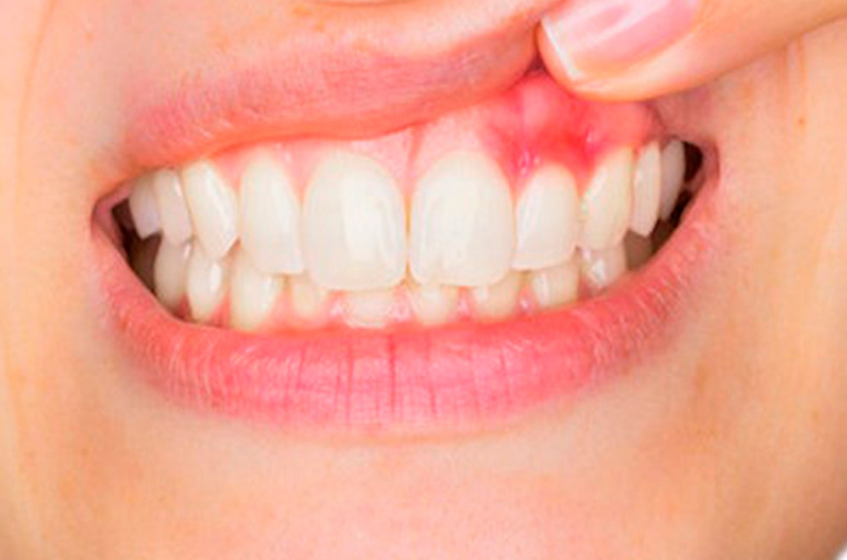
gum disease is not only a disease of gums. Rather, it is an inflammation and / or infection of the dental tissues that can affect teeth and, in severe cases, even the bone that holds your teeth in their sockets.Gum disease is caused by plaque, a sticky film of bacteria that constantly forms on the teeth. Gum disease is also known as periodontal disease. Gum Disease is an infection in the gums surrounding the teeth.
What Are the Symptoms of Gum Disease?
- Gums that bleed during and after tooth brushing
- Red, swollen gums. Healthy gums should be pink and firm.
- Persistent bad breath or bad taste in the mouth
- Receding gums
- Formation of deep pockets between teeth and gums
- Loose or shifting teeth
- Changes in the way teeth fit together upon biting down, or in the fit of partial dentures.
What Causes Gum Disease?
Plaque is the primary cause of gum disease. However, other factors can contribute to periodontal disease. These include:
- Hormonal changes, such as those occurring during pregnancy, puberty, menopause, and monthly menstruation, make gums more sensitive, which makes it easier for gingivitis to develop.
- Illnesses may affect the condition of your gums. This includes diseases such as cancer or HIV that interfere with the immune system. Because diabetes affects the body's ability to use blood sugar, patients with this disease are at higher risk of developing infections, including periodontal disease and cavities.
- Medications can affect oral health, because some lessen the flow of saliva, which has a protective effect on teeth and gums. Some drugs, such as the anticonvulsant medication Dilantin and the anti-angina drug Procardia and Adalat, can cause abnormal growth of gum tissue.
- Bad habits such as smoking make it harder for gum tissue to repair itself.
- Poor oral hygiene habits such as not brushing and flossing on a daily basis, make it easier for gingivitis to develop. Family history of dental disease can be a contributing factor for the development of gingivitis.